What is an Information Kiosk?
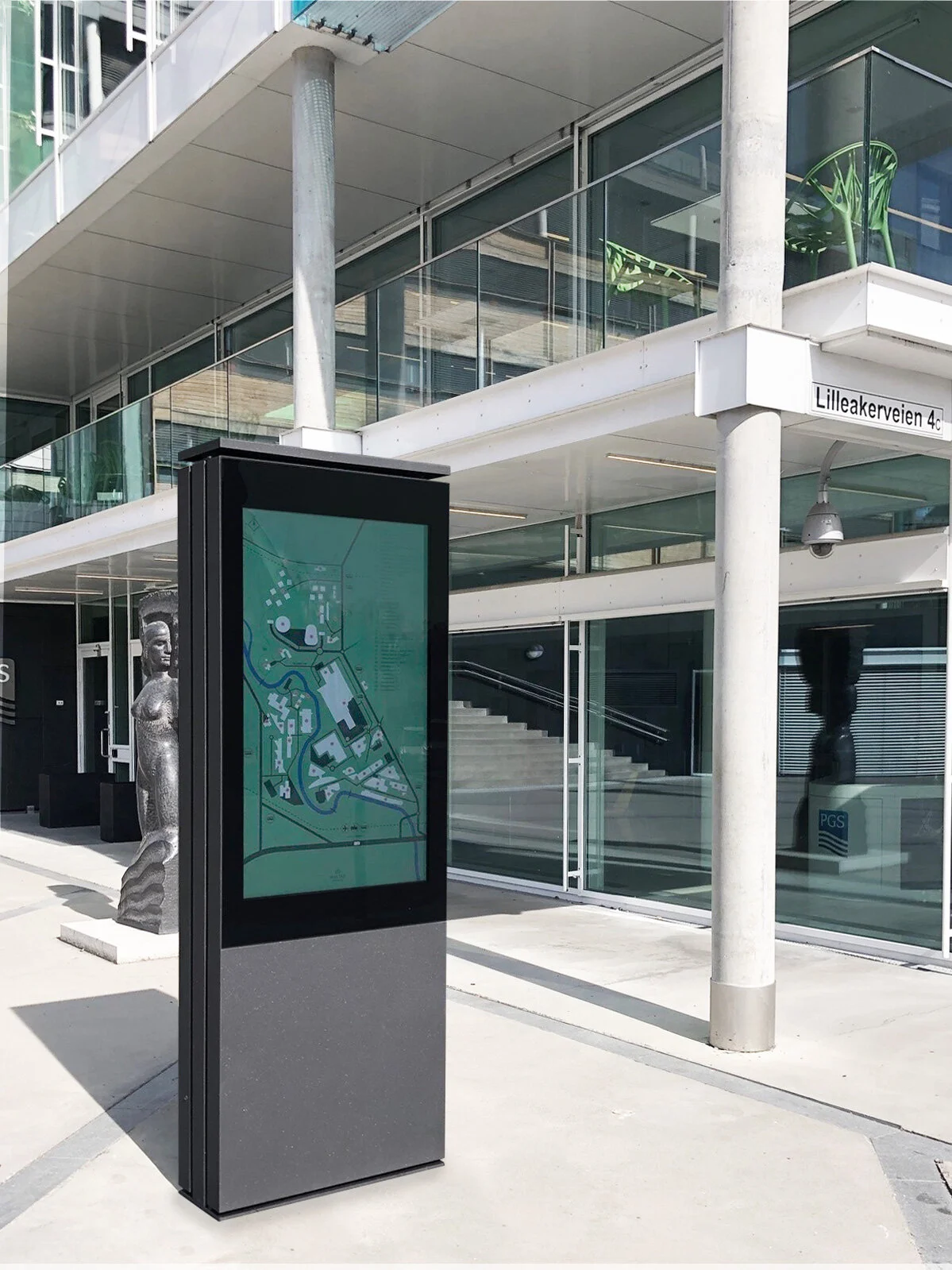
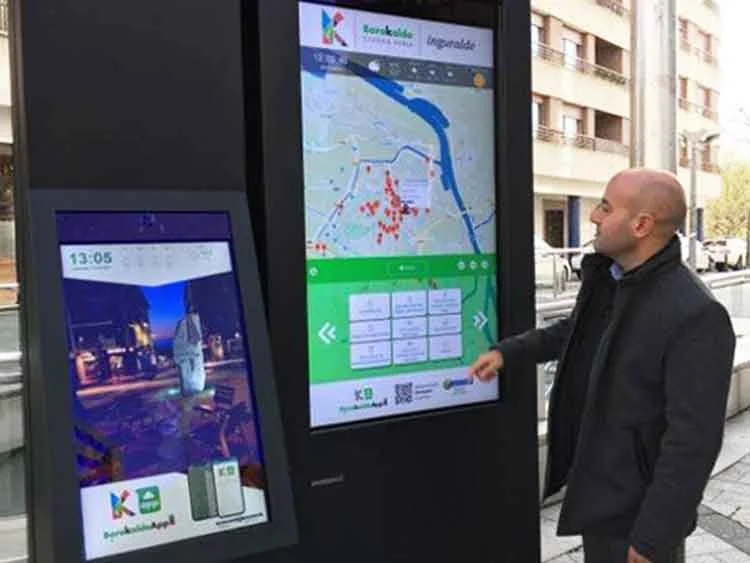
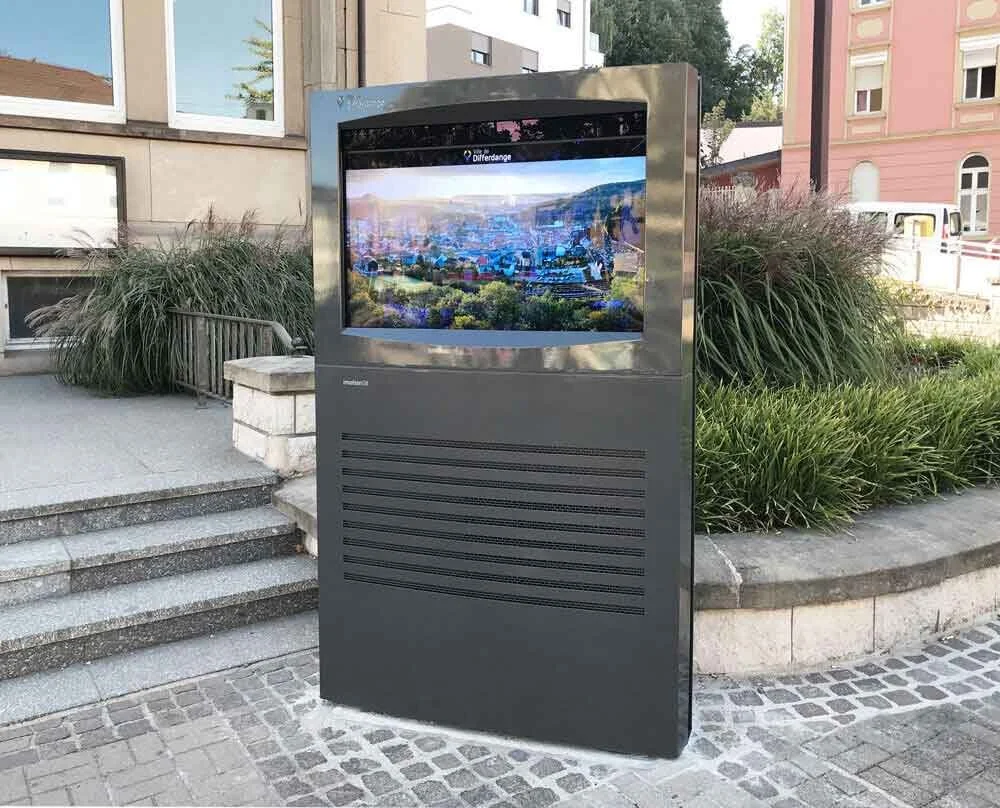
Outdoor information kiosks are sophisticated digital communication channels placed in public spaces. Think of them as interactive hubs designed to disseminate pertinent information to individuals, whether locals or tourists. These kiosks serve as dynamic guides, offering details about the surroundings, such as maps, upcoming events, or points of interest. Their purpose is to enhance user experience by providing easily accessible and relevant information in diverse outdoor environments, making them valuable assets for both communities and visitors alike.
Benefits of Information Kiosks
Information kiosks offer a host of advantages, with customer freedom standing out as a primary benefit. The automation of services grants individuals the liberty to engage with the kiosk on their own terms. Here are various benefits that these kiosks can bring to any business:
Cost-Effective:
The primary advantage, after customer freedom, is the ability of kiosks to save resources, especially staff time. Information kiosks streamline processes such as visitor sign-ins, freeing up administrative staff to focus on more pressing tasks.
Adaptable:
Beyond providing information, self-service kiosks can be adapted for diverse functionalities, including offering wayfinding maps and facilitating payment transactions.
Connectivity:
Self-service kiosks are seamlessly connected to a network, enabling remote accessibility from any location with an internet connection. This connectivity facilitates real-time software patches and updates, ensuring the kiosks remain up-to-date with the latest features.
Quicker Service:
The user-friendly nature of self-service kiosks allows accessibility for virtually anyone, enabling swift and straightforward interactions between consumers and the company. Delegating more functions to the kiosks also allows staff to focus on other responsibilities, significantly expediting the resolution of customer needs.
Improved Customer Satisfaction:
With faster service, customer satisfaction needs are met promptly, fostering repeat business. Customers appreciate the convenience of engaging with a machine on their terms, enhancing overall satisfaction levels.
Learn more about information kiosks by reading our case studies on the right.
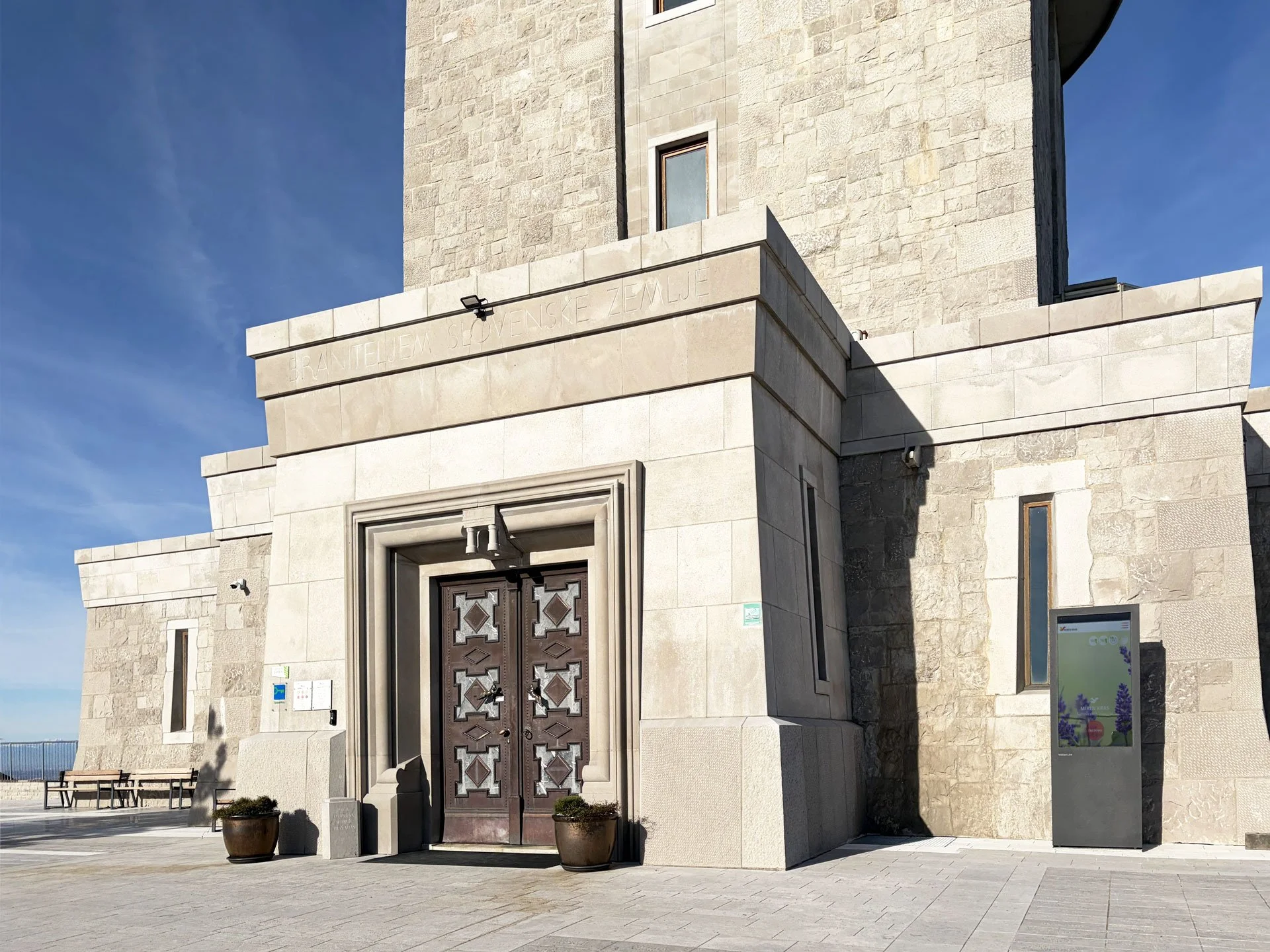


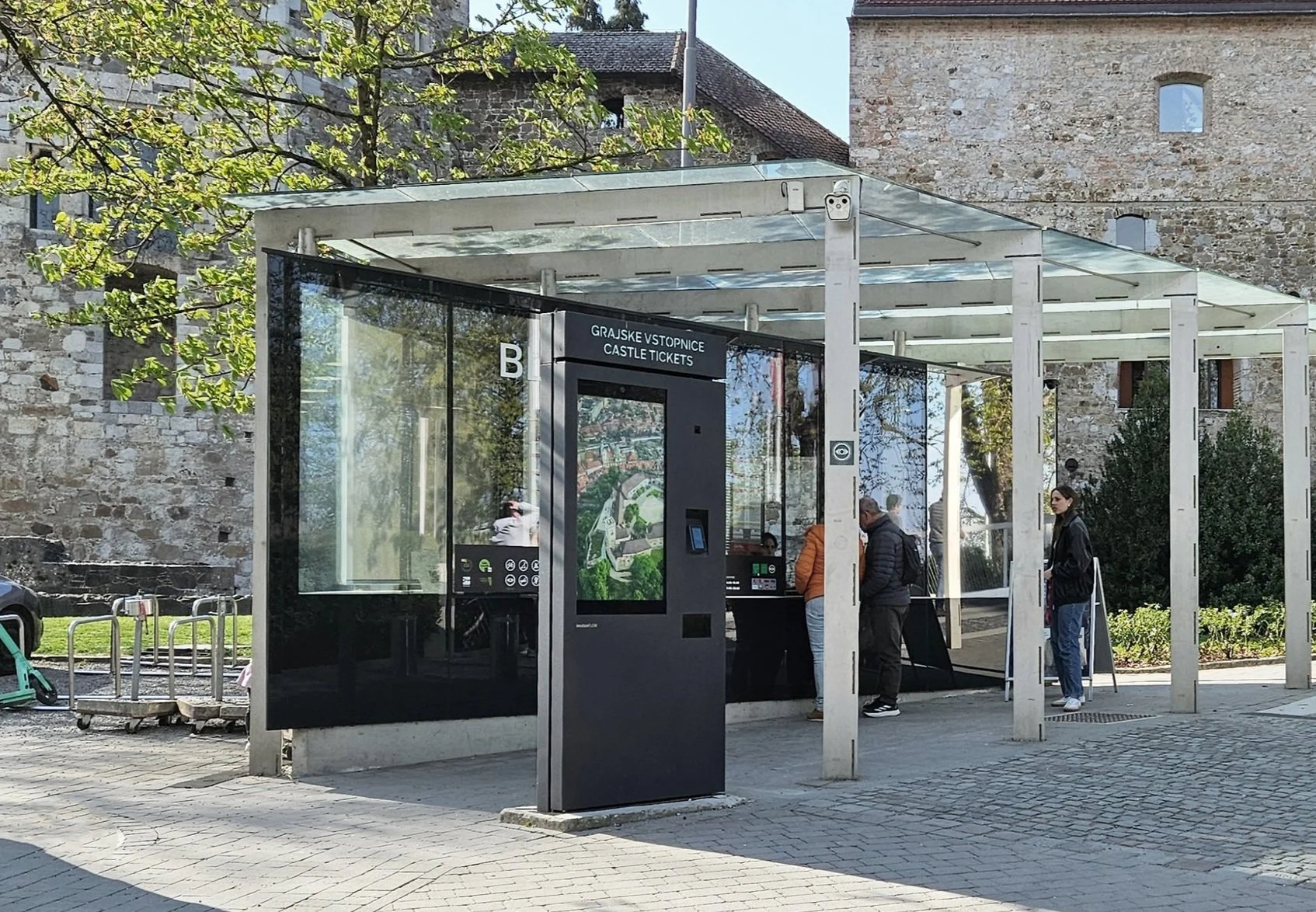
Ljubljana Castle, a prominent historical and cultural landmark in Slovenia, first partnered with Infinitus in 2016 by installing a 75" imotion FLOW display to promote exhibitions and events. Nine years later the Castle upgraded to a new, custom-designed imotion FLOW interactive ticketing machine.
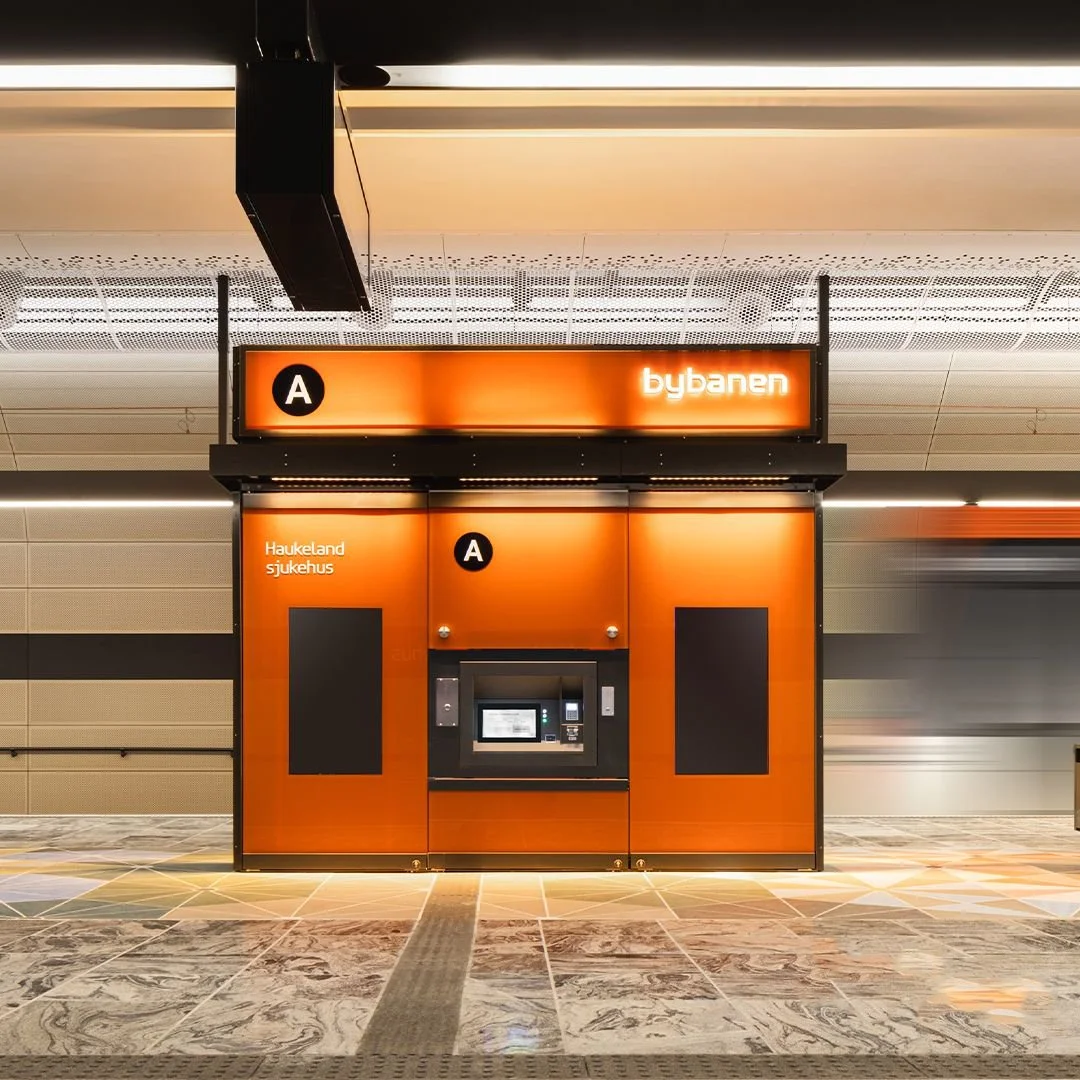
Discover how we partnered with our long-term client to create a modern, self-service ticketing terminal designed to meet both current operational challenges and future technological demands. With a focus on durability, accessibility, and seamless integration with modern payment systems, this project is a prime example of how innovative design can solve real-world problems. Learn more about how we addressed the specific needs of our client and delivered a flexible, future-proof solution that’s built to last.

At Infinitus are excited to have partnered with Interactive Solutions Serbia in the digital transformation of the newly opened Visitor Center "Empress' City" in the Municipality of Lebane. As one of the key collaborators, our role was to provide outdoor digital signage solutions that enhance the visitor experience and promote the cultural richness of the Jablanica and Toplica districts.

The Austrian municipality of Mattersburg to introduce an innovative solution for citizen engagement and information sharing. The project aimed to upgrade traditional communication methods by installing an outdoor interactive totem, making essential information easily accessible to residents.

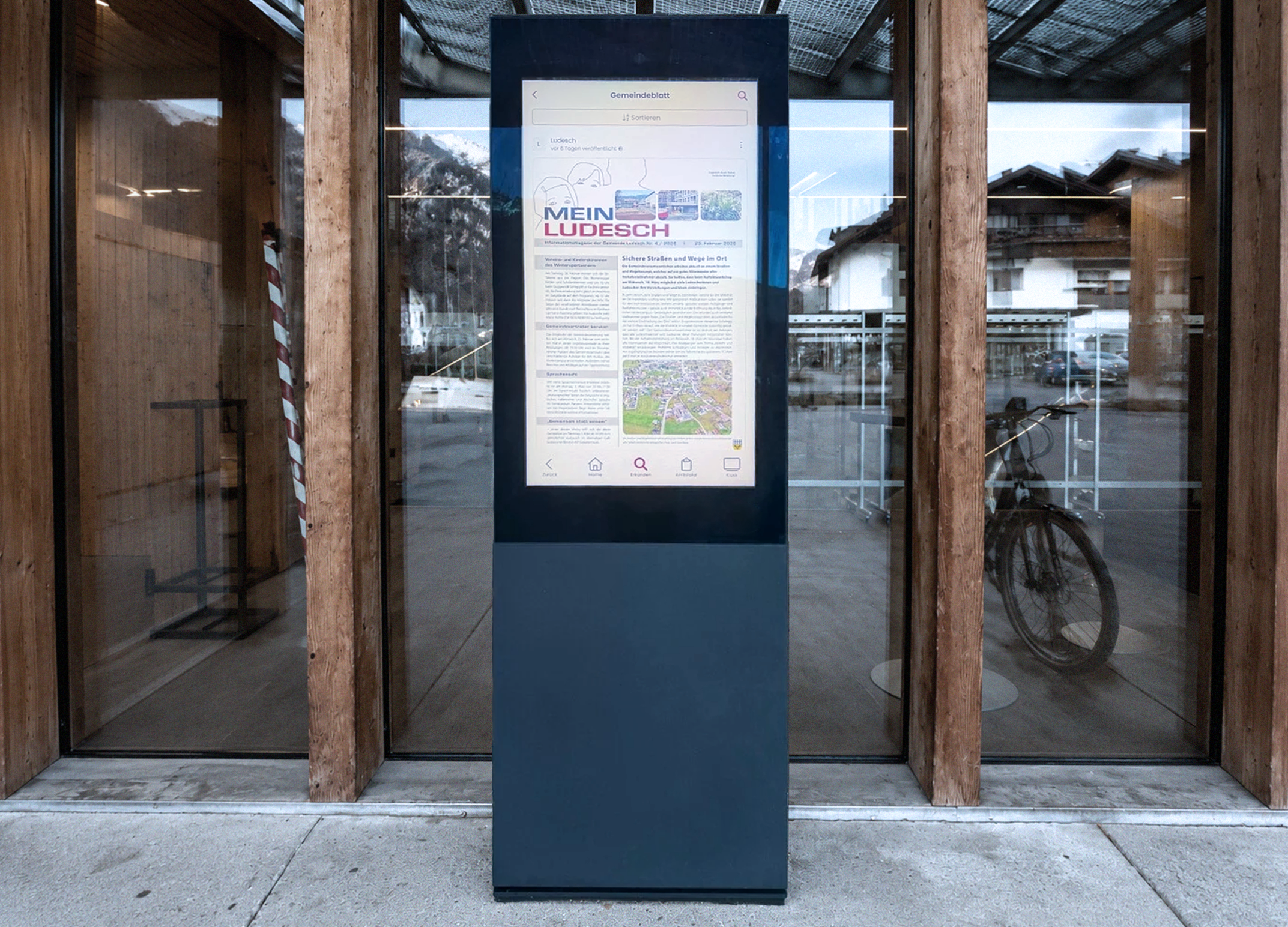
The municipality of St. Georgen ob Judenburg in Austria embarked on a modernization journey by launching a new community app. To complement this digital initiative and enhance citizen engagement, the municipality also installed an interactive digital information point that complements new digitalization steps. This case study delves into the situation, the solution provided, and the impact on public display and community engagement.

The municipality recognized the necessity for a dynamic and attention-grabbing platform to disseminate crucial information, community updates, and emergency alerts. The decision to embrace digital signage was not only driven by the objective of keeping citizens well-informed but also by the aspiration to elevate civic engagement.

ILEF, located in the district of Pfäffikon in the canton of Zürich, Switzerland, is known for its innovative approach. The city aimed to enhance communication and technological infrastructure to foster a more connected, engaged, vibrant, and sustainable community. The goal was to deliver accurate, timely, and clear information on news and announcements that affect its residents.

Vilnius, the capital of Lithuania, installed two interactive info kiosks in its Old Town. These sleek and user-friendly kiosks provide access to local attractions, cultural events, and immersive 3D videos of historical sites. Integrated with the city's tourism network, they offer up-to-date information and allow direct communication with the Vilnius Tourism Information Center.

Oberalm, a picturesque town in Salzburg, aimed to establish an efficient communication channel with tourists and residents. To achieve this, Oberalm Tourismus implemented a cutting-edge outdoor digital information kiosk. This proven solution aimed to promote local businesses while providing interactive communication opportunities.

Kematen, Austria is a forward-thinking municipality located 12km west of Innsbruck. Discover how this small community embraced new opportunities and technologies to enhance communication with residents and visitors. Learn how outdoor digital signage, specifically the imotion FLOW thermal management technology, played a pivotal role in achieving their goals.


Piece Hall, a historic landmark located in the heart of Halifax, West Yorkshire, has recently installed two double-sided imotion FLOW digital signs in the open-air courtyard. The signs are part of the Piece Hall's ongoing digitalization efforts, which aim to enhance the visitor experience and ensure the venue remains a relevant and dynamic space for years to come.

Črna na Koroškem is a peaceful, picturesque village in the Upper Meža Valley. Small in terms of population, large in tourist attractions and offers. To increase its potential, they deployed two digital tourist information points which are advertising local businesses and tourist attractions and also delivering vital information about the community.


Outdoor digital totems are not only great promotional tools, but they can also serve as autonomous contactless donations points. Read a short case study, how Sheffield Botanical Gardens simplified the donation process for their visitors.